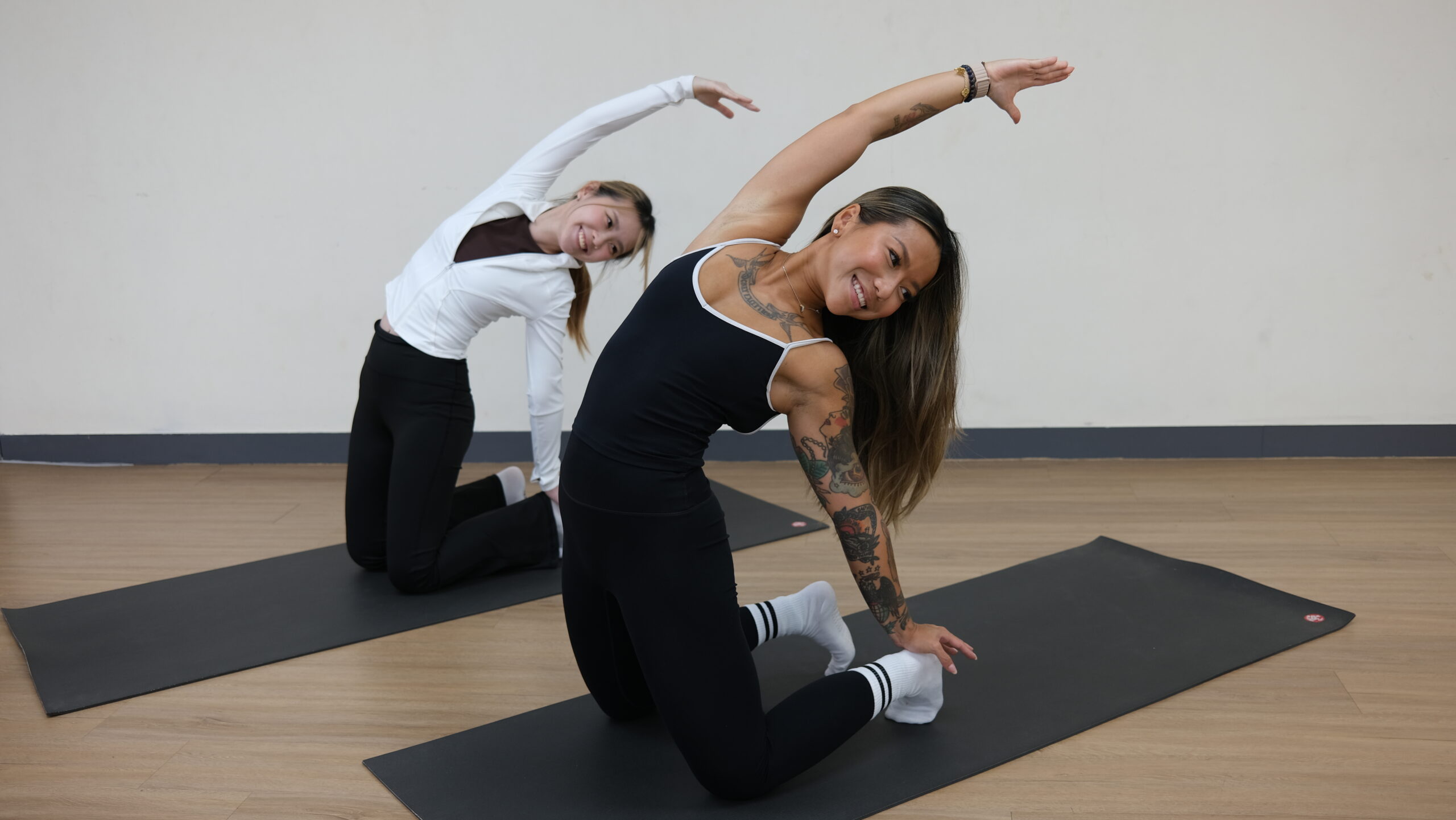
How Yogalates Singapore Supports Balanced Strength, Mobility, and Mindful Control Many adults want a movement routine that builds strength without feeling harsh, improves mobility without careless stretching and supports focus without becoming too slow. This is why yogalates singapore is gaining attention among people who want a balanced practice that blends the control of Pilates with the awareness and flow of yoga. Yogalates can be especially useful for modern lifestyles because it does not treat strength, flexibility and calm as separate goals. Instead, it brings them together. A class may include core-focused movement, postural awareness, breath-led transitions and mobility work, creating a complete practice for people who want to move better in daily life.
Why balanced movement matters
Many fitness routines focus heavily on one quality. Some build strength but neglect mobility. Some improve flexibility but do not develop enough stability. Others create sweat and effort but leave the nervous system feeling overstimulated. Balanced movement helps avoid these extremes. Yogalates supports the body through controlled exercises, mindful breathing and steady sequencing. This can be valuable for adults who sit for long hours, carry stress in the shoulders or feel that their usual workouts do not address posture and control. The practice asks students to move with attention instead of speed alone.
Strength that starts from the centre
One of the clearest benefits of Yogalates is core engagement. Pilates-inspired movements often focus on deep stabilising muscles that support the spine and pelvis. Yoga-inspired postures add breath, alignment and whole-body awareness. Together, they create strength that feels functional. Core strength is not only about appearance. It supports sitting, standing, walking, lifting and balancing. When the core is more responsive, the body may feel more organised during daily movement. This can reduce the tendency to overuse the lower back, neck or shoulders.
Mobility with better control
Mobility is not simply the ability to stretch far. It is the ability to move through range with strength and awareness. Yogalates can support this by combining lengthening movements with controlled engagement. A student may stretch the hamstrings, open the hips or mobilise the spine while still maintaining core support. This combination helps prevent passive overstretching. It teaches the body to feel both open and stable. For people who experience stiffness from desk work, this can be especially helpful.
Areas Yogalates may support
A regular practice may help students build awareness in:
- Core and pelvic stability
- Hip mobility
- Spinal control
- Shoulder positioning
- Hamstring length
- Balance and coordination
- Breath-led movement
These qualities are practical because they affect how people move outside class.
Mindful control instead of rushed effort
Yogalates encourages control. Movements may be slower and more precise than a typical fitness class, which means students cannot rely only on momentum. They must pay attention to alignment, breath and muscle engagement. This makes the practice mentally engaging. The student is not simply completing repetitions. They are learning how the body behaves. This type of control can improve confidence because students begin to understand their movement patterns more clearly.
Why breath remains important
Breath connects the yoga and Pilates elements of the practice. During effort, breath helps students avoid gripping or holding tension. During slower transitions, breath supports focus and rhythm. Many adults hold the breath when concentrating, especially during core work. Yogalates can help retrain this pattern. Students learn to stay steady while working, which can be useful during stressful workdays and daily pressure.
A useful option for desk-bound adults
Desk-based routines often create a mix of weakness and tightness. The hips become tight, the spine may feel stiff, the shoulders round forward and the core becomes less active. Yogalates addresses these patterns by combining strengthening and lengthening. The practice can help people feel more upright, aware and connected to their bodies. It does not require aggressive impact, which can make it appealing for adults who want a sustainable approach.
Building consistency through variety
One reason people lose interest in wellness routines is that they become repetitive. Yogalates offers variety because it draws from two movement traditions. Students may experience core sequences, standing work, mat-based control, breath awareness and mobility exercises within one class. This variety can keep the routine engaging while still feeling purposeful. It gives students a complete practice without making the class feel scattered.
A thoughtful studio environment
A refined studio setting such as Yoga Edition can support Yogalates by providing the structure and guidance needed for precise movement. Since the practice depends on control, teacher cues and class pacing matter. When the environment feels calm and focused, students can pay better attention to their bodies. This helps them get more from the class than they would from random self-directed exercises.
A complete practice for modern wellbeing
Yogalates supports balanced strength, mobility and mindful control because it respects the body as a connected system. It does not chase intensity for its own sake. It teaches students to move with purpose, breathe through effort and build strength that supports daily life. For adults seeking a practice that feels intelligent, low-impact and still physically meaningful, Yogalates offers a strong option. It helps the body become steadier, more mobile and more aware, which is exactly what many modern routines need.
