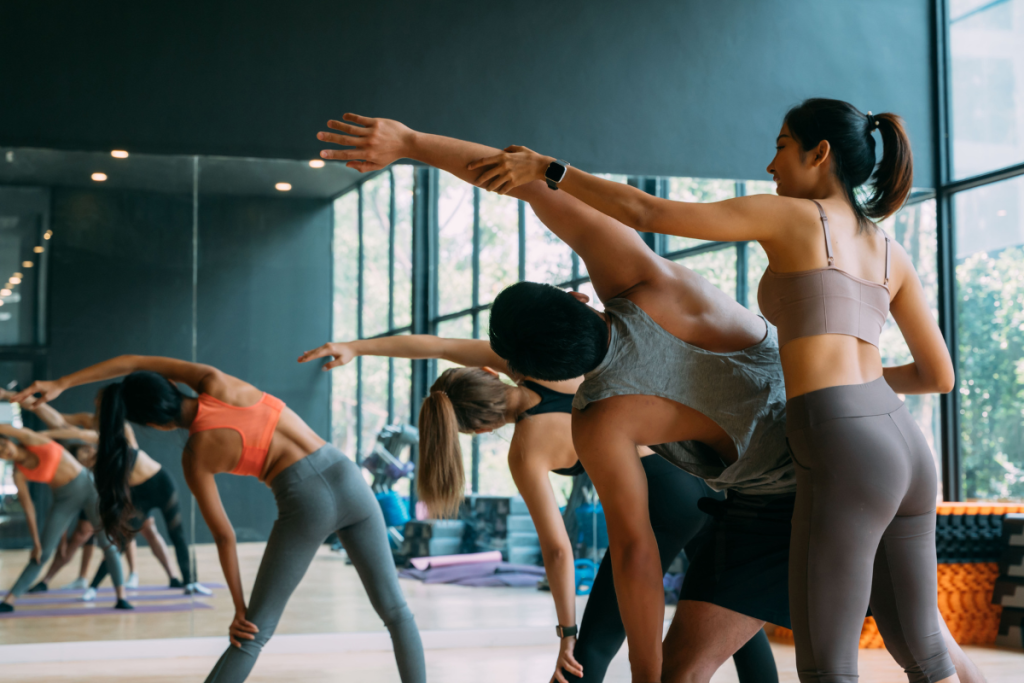
Fat loss is often marketed as something that must hurt to work. For many adults in Singapore, that message creates a real problem. Desk jobs, long commutes, limited movement during the day, and past injuries mean knees and lower backs are already under strain before any workout begins. Pushing through pain is not only unnecessary, it often slows progress and leads to long breaks from training.
A smarter approach is using fitness classes singapore that deliver strong calorie burn and muscle engagement while protecting joints. Fat loss does not come from impact alone. It comes from consistent movement, controlled intensity, and recovery that allows you to train again tomorrow without pain.
Why knee and back pain are so common in Singapore
Many people blame age or weight, but joint pain usually builds quietly through lifestyle patterns.
Sitting habits and joint stress
Long hours of sitting shorten hip flexors and weaken glutes. This shifts load into the knees and lower back when you stand, walk, or train. Over time, even basic movements feel uncomfortable.
Common signs include:
-
Tight hips after work
-
Stiff lower back when standing up
-
Knee discomfort when climbing stairs
-
Feeling unstable during squats or lunges
Weight changes and impact sensitivity
When body weight increases, joints absorb more force with every step. High-impact workouts can aggravate this quickly. That does not mean you should avoid training. It means impact must be managed, not eliminated blindly.
Past injuries that never fully healed
Old ankle sprains, back strains, or knee tweaks often change how you move. Without realising it, you may shift weight unevenly or avoid certain ranges, which creates new pain elsewhere.
The fat loss myth that hurts joints
Many people believe:
-
More sweat equals more fat loss
-
Jumping equals faster results
-
Pain means progress
None of these are reliable. Fat loss depends on total weekly energy use and consistency. A low-impact class done three times a week for months beats a painful high-impact class you quit after two weeks.
Low-impact classes that still burn calories
Low-impact does not mean low effort. It means one or both feet stay grounded, reducing joint shock while still challenging muscles and heart rate.
Indoor cycling, joint-safe and scalable
Cycling allows you to adjust resistance and pace easily. Knees move through a controlled range without impact.
Benefits for fat loss:
-
High calorie burn without pounding
-
Strong leg and glute engagement
-
Adjustable intensity for different fitness levels
-
Minimal lower back strain when posture is correct
Key tip:
-
Keep saddle height correct. Too low increases knee pressure.
Strength endurance classes with controlled tempo
Classes that focus on higher repetitions with manageable weights create metabolic stress without joint shock.
Why they work:
-
Muscle engagement raises calorie use even after class
-
Controlled movements protect knees and spine
-
Strength improves joint stability over time
Focus on:
-
Slow squats to comfortable depth
-
Hip hinge patterns with neutral spine
-
Core engagement during all lifts
Dance-based fitness with low-impact options
Dance classes are excellent for fat loss because they combine cardio, coordination, and enjoyment. Many formats offer low-impact variations.
Benefits include:
-
Natural movement patterns
-
Reduced mental stress
-
Better adherence due to enjoyment
-
Moderate calorie burn over longer durations
Technique cues that protect knees and back
How you move matters more than which class you choose.
Knee-friendly movement rules
-
Knees track in line with toes
-
Avoid sudden twisting under load
-
Use a comfortable range, depth is individual
-
Engage glutes before pushing up from squats
Back-protective habits
-
Brace your core before moving
-
Keep chest open and shoulders relaxed
-
Avoid rounding during lifts
-
Exhale gently during effort
If a movement causes sharp pain, stop and switch to a modification. Pain is feedback, not something to ignore.
How often to train for fat loss without joint flare-ups
More is not always better. Recovery allows fat loss to continue by keeping training consistent.
A realistic weekly structure
For joint-friendly fat loss:
-
3 to 4 classes per week
-
At least one rest or light movement day between harder sessions
-
Mix cardio and strength-based formats
Example:
-
Day 1: Cycling or dance class
-
Day 3: Strength endurance class
-
Day 5: Low-impact cardio or mobility-focused session
-
Optional Day 7: Gentle stretch or light activity
Signs you need more recovery
-
Lingering joint soreness beyond 48 hours
-
Reduced range of motion
-
Feeling hesitant or fearful during movements
-
Increased fatigue or poor sleep
Reducing intensity for one week often restores progress faster than pushing through pain.
Footwear and setup, the overlooked fat loss factor
Shoes and equipment choices affect joint stress more than most people realise.
Shoes that support low-impact training
-
Firm heel support for stability
-
Flexible forefoot for natural movement
-
Proper fit, not too tight or loose
-
Different shoes for cycling and floor-based classes if possible
Simple setup checks before class
-
Adjust bike settings carefully
-
Use mats for floor work to protect spine
-
Position weights within easy reach to avoid awkward bending
These small details reduce strain and improve confidence during class.
Nutrition habits that support joint comfort and fat loss
You do not need extreme diets to lose fat safely.
Pre-class fuel
-
Eat a balanced meal 2 to 3 hours before training
-
Include carbohydrates for energy and protein for muscle support
-
If training after work, a small snack helps avoid fatigue
Post-class recovery
-
Prioritise protein to support muscles
-
Hydrate well to support joints
-
Avoid skipping meals, it increases cravings later
When recovery improves, joints feel better and consistency becomes easier.
Using group classes to rebuild confidence in movement
Pain often creates fear. People start avoiding movement, which worsens joint health over time.
Group classes help because:
-
Instructors demonstrate modifications
-
Structured formats reduce uncertainty
-
Shared energy increases motivation
-
Progress feels measurable and encouraging
For those wanting variety and structured scheduling, True Fitness Singapore offers a wide mix of low-impact and strength-based group classes that allow you to rotate formats without overloading the same joints every session.
How to track fat loss progress without obsessing over weight
Joint-friendly fat loss often shows up in other ways first.
Look for:
-
Clothes fitting more comfortably
-
Improved stamina during class
-
Reduced knee or back discomfort
-
Better balance and coordination
-
Increased confidence in movement
These signs indicate your body is adapting in a sustainable way.
FAQ, real-life questions about joint-safe fat loss with group classes
Can I lose fat without doing any jumping exercises?
Yes. Fat loss depends on calorie balance and muscle engagement, not jumping. Cycling, strength endurance, and dance formats can be very effective without impact.
My knees click during squats, should I stop?
Clicking without pain is common. Focus on controlled movement, proper alignment, and comfortable depth. If clicking is painful or worsening, reduce range and consult a professional.
Is cycling safe if I already have knee discomfort?
Often yes, when bike setup is correct and resistance is moderate. Poor saddle height is a common cause of knee strain, so adjustments matter.
How long before joint pain improves with regular classes?
Many people notice reduced stiffness within 2 to 4 weeks as muscles strengthen and movement quality improves. Consistency matters more than intensity.
Should I use knee sleeves or back belts in class?
They can provide support but should not replace proper technique. Over-reliance may weaken stabilising muscles if used all the time.
What if one side of my body feels weaker?
This is common. Focus on symmetrical movement, slower tempo, and lighter loads. Strength imbalances often improve naturally with consistent training.
Can fat loss slow down if I avoid high-impact workouts?
No, as long as total activity and nutrition are aligned. Sustainable training often leads to better long-term results than aggressive, painful workouts.
When should I seek medical advice instead of modifying workouts?
If pain is sharp, persistent, worsening, or associated with swelling or numbness, it is best to consult a medical professional before continuing.
