Undergoing oral surgery requires preparation and a clear plan for post-operative recovery. Whether you undergo wisdom tooth extraction, tissue grafting, or implant placement, your food and drink choices influence your recovery time. Nutrition assists tissue repair, reduces inflammation, and prevents accidental contact with surgical sites. Planning meals before your dental surgery in Singapore establishes a manageable recovery and maintains physical comfort throughout the process.
Calibrating Pre-Surgery Nutrition for Clinical Procedures
What you consume in the hours leading up to dental surgery depends on the type of sedation your dental surgeon selects. Local anaesthesia permits light nourishment a few hours prior to treatment, whereas general anaesthesia or intravenous sedation requires fasting.
Confirm specific fasting windows with your surgical clinic at least twenty-four hours before your appointment. Operating facilities require empty stomachs under deep sedation to eliminate aspiration risks. If your clinician permits food before local anaesthesia, choose whole foods that maintain steady blood glucose levels. Avoid heavy preparations and caffeinated beverages, as these increase resting heart rates and cause stomach distress during clinical procedures.
Selecting Post-Operative Nutrition for Early Recovery
Immediately following your procedure, healing oral tissues require soft, non-abrasive foods that eliminate chewing demands. Eating suitable foods protects surgical wounds and maintains caloric intake without dislodging blood clots.
- Plain Greek yoghurt provides calcium and dietary protein, which aids tissue repair and rests easily against oral mucosa.
- Strained vegetable broth supplies fluid, sodium, and potassium without leaving solid food particles around gum incisions.
- Mashed avocado contains dietary fats that supply energy and assist with the absorption of fat-soluble vitamins.
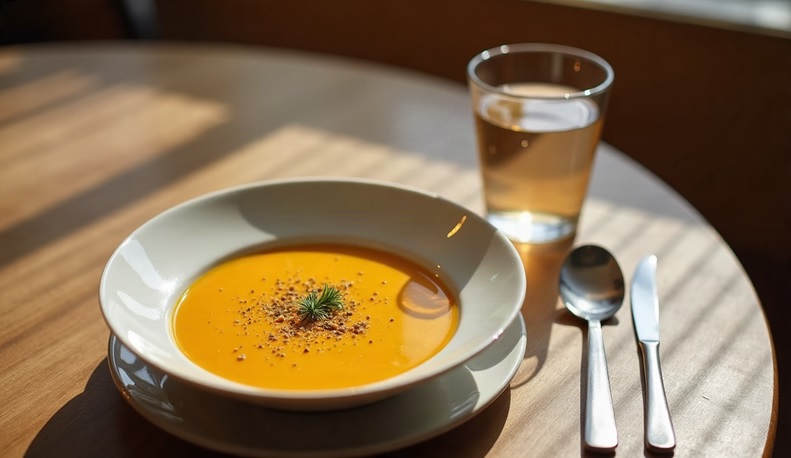
Blended pumpkin and sweet potato provide dietary beta-carotene and vitamins A and C within a smooth consistency that passes over healing tissue beds without irritation.
Eliminating Problematic Items from Your Routine
Certain food items compromise healing wounds by generating friction, promoting bleeding, or causing irritation. Eliminating these items during your initial recovery phase limits potential complications:
- Hard foods such as crisps, nuts, and toasted bread break into sharp fragments that pierce open wounds and lodge within extraction sockets.
- Chilli paste, vinegar, and citrus sauces irritate exposed mucous membranes and increase local tissue swelling.
- Boiling soups and hot tea dissolve forming blood clots, restarting bleeding and increasing the risk of dry socket complications.
- Tough meats, dried fruit slices, and glutinous rice products demand jaw pressure, which strains sutures and opens incision edges.
- Alcohol and carbonated beverages dry the mouth, interact with prescribed analgesics, and slow wound closure.
Addressing Post-Procedure Complications
Light bleeding, swelling, and temporary jaw tightness occur normally during the first forty-eight hours. However, unexpected symptoms require professional assessment. If you observe continuous throbbing, fever, or persistent bleeding that continues despite firm gauze pressure, contact providers of emergency dental services promptly.
Early evaluation from emergency dental services controls localised infections and evaluates bone graft stability. Regular oral hygiene around unaffected teeth prevents resident oral bacteria from settling into open extraction sites. Do not drink through straws during your first week of recovery. The negative pressure produced inside the mouth removes blood clots, exposing alveolar bone and triggering painful dry socket conditions. Patients who adhere to clinical aftercare instructions achieve predictable healing after dental surgery in Singapore.
Your Path to a Smooth Recovery
Successful oral surgery recovery depends on consistent post-operative habits and deliberate nutritional decisions. Choosing smooth, nutrient-dense foods during the opening days protects healing tissue margins, while eliminating abrasive, hot, and spicy foods shields delicate blood clots from mechanical and chemical damage. By monitoring your recovery symptoms, maintaining clean oral hygiene away from incision sites, and adhering strictly to your clinician’s dietary timeline, you establish a predictable path to complete oral rehabilitation.
Frequently Asked Questions
When can I resume eating solid food after dental surgery?
Patients generally introduce soft solid foods, such as plain pasta, cooked fish, and scrambled eggs, after 3 to 5 days. Assess your tolerance gradually and chew away from surgical sites until your clinician inspects the tissue.
Why must I avoid drinking through a straw after oral surgery?
Suction pressure generated by drinking through a straw draws newly formed blood clots out of the tooth socket. Losing this clot exposes underlying nerve endings and bone tissue, resulting in dry socket.
Can I drink cold water immediately after my surgery?
Yes. Chilled still water reduces local tissue temperature and maintains hydration. Drink directly from a cup without swishing fluid vigorously around your mouth.
Maintain your oral health with structured surgical care. Contact Canaan Dental Surgery to arrange an appointment and discuss your procedural requirements.
