Acupressure and acupuncture are often mentioned together because they share the same roots in traditional healing systems. While both aim to support the body’s natural balance and well-being, their methods, sensations, and applications differ in important ways.
Understanding these differences can help you choose the approach that best suits your comfort level, health goals, and lifestyle.
Understanding the Shared Foundation
Both acupressure and acupuncture are based on the idea that the body contains pathways through which vital energy flows. When this flow becomes blocked or imbalanced, discomfort or illness may occur.
These practices aim to:
- Encourage natural healing responses
- Reduce tension and discomfort
- Promote overall balance within the body
Despite their shared philosophy, the techniques used to achieve these outcomes are quite distinct.
What Is Acupressure?
Acupressure uses physical pressure applied by fingers, thumbs, or hands to specific points on the body. It does not involve needles or skin penetration.
Key Characteristics of Acupressure
- Uses manual pressure rather than instruments
- Can be performed by a practitioner or practiced as self-care
- Often feels like a firm massage or sustained touch
- Focuses on relaxation, circulation, and tension release
Acupressure is commonly used for everyday discomforts such as muscle tension, stress, headaches, and mild digestive issues.
What Is Acupuncture?
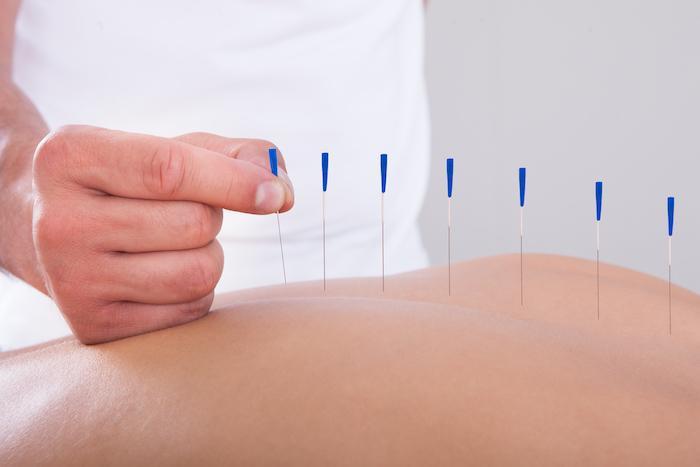
Acupuncture involves the insertion of very thin, sterile needles into specific points on the body. The process is typically performed by a trained and licensed practitioner.
Key Characteristics of Acupuncture
- Uses fine needles placed at precise points
- Requires professional training and certification
- Sensations range from minimal to a dull ache or tingling
- Often used for chronic pain, inflammation, and complex conditions
Many people report a deep sense of calm or relief after an acupuncture session.
Acupressure vs Acupuncture: Core Differences
While both practices target similar points, their application and experience differ significantly.
Technique and Tools
- Acupressure: Finger or hand pressure
- Acupuncture: Needle insertion
Accessibility
- Acupressure: Easy to learn and practice at home
- Acupuncture: Requires professional treatment
Sensation Level
- Acupressure: Pressure-based and adjustable
- Acupuncture: Minimal penetration with subtle sensations
Intended Use
- Acupressure: Daily wellness and mild discomfort
- Acupuncture: Targeted therapy for specific or chronic issues
Choosing the Right Approach for You
The choice between acupressure and acupuncture often comes down to comfort, goals, and availability.
Acupressure may be ideal if you:
- Prefer non-invasive methods
- Want a self-care technique
- Are managing mild or temporary discomfort
Acupuncture may be better suited if you:
- Are dealing with persistent pain or complex concerns
- Want professional, structured treatment
- Are comfortable with needles
Some people use both methods together, depending on their needs at different times.
Safety and Considerations
Both practices are generally considered safe when used appropriately.
Important points to remember:
- Acupuncture should always be performed by a qualified practitioner
- Acupressure should avoid injured or inflamed areas
- Pregnant individuals should consult professionals before either method
- Neither approach should replace necessary medical care
Used responsibly, both methods can complement modern healthcare.
The Role of Personal Preference in Healing
Healing experiences are highly individual. Some people respond better to hands-on pressure, while others prefer the precision of needle-based therapy.
The effectiveness of either approach often improves when:
- The individual feels relaxed and informed
- Sessions are used consistently
- Care is tailored to personal comfort and needs
Frequently Asked Questions
Does acupressure work as well as acupuncture?
Effectiveness depends on the condition and individual response. Acupuncture may be more effective for complex or chronic issues, while acupressure is excellent for everyday support.
Is acupuncture painful?
Most people experience little to no pain, though mild tingling or pressure sensations are common.
Can acupressure be done daily?
Yes. Many acupressure techniques are safe for daily use when applied gently and correctly.
How long does an acupuncture session usually last?
Sessions typically last between 30 and 60 minutes, depending on the treatment plan.
Are the pressure points the same for both methods?
Yes. Both practices generally target the same points, even though the techniques differ.
Can children use acupressure or acupuncture?
Acupressure is often suitable for children, while acupuncture may be used selectively by trained professionals.
Do these practices provide immediate results?
Some people feel relief right away, while others notice gradual improvements over several sessions.
Whether you choose acupressure, acupuncture, or a combination of both, understanding their differences allows you to approach these time-honored practices with confidence and clarity.
