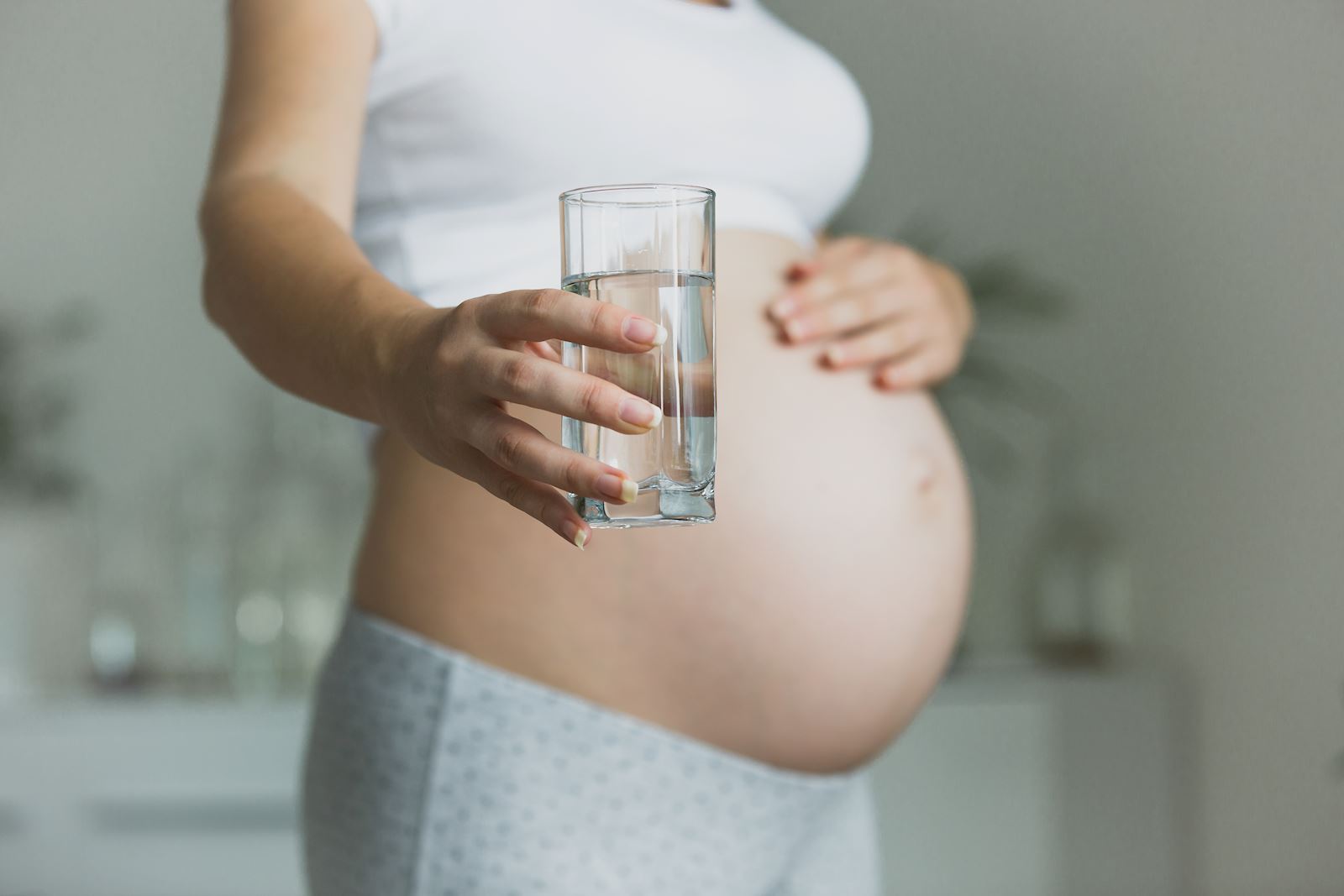
Hydration is often discussed in simple terms—drink more water. Yet during pregnancy, hydration becomes a cornerstone of both maternal wellness and skin health. Water supports nearly every physiological process in the body, and its role becomes even more critical as the body adapts to support a growing baby.
Understanding how hydration affects pregnancy and skin health can help expecting mothers make informed, practical choices that improve comfort, appearance, and overall health.
Why Hydration Is Essential During Pregnancy
Pregnancy increases the body’s demand for fluids. Blood volume expands, amniotic fluid develops, and nutrients must be transported efficiently to the fetus—all of which depend heavily on adequate hydration.
When hydration levels are balanced, the body is better equipped to manage pregnancy-related changes without unnecessary strain.
Key Functions of Water in Pregnancy
Adequate hydration helps the body to:
- Maintain amniotic fluid levels, which cushion and protect the baby
- Support nutrient and oxygen transport through increased blood volume
- Regulate body temperature, which naturally rises during pregnancy
- Aid digestion and prevent constipation, a common pregnancy concern
Even mild dehydration can disrupt these processes, leading to fatigue, dizziness, or headaches.
Hydration’s Role in Skin Health During Pregnancy
Skin undergoes noticeable changes during pregnancy, including increased sensitivity, dryness, and stretching. Hydration plays a direct role in how well the skin adapts to these changes.
How Water Supports Healthy Skin
Proper hydration contributes to skin health by:
- Improving elasticity, helping skin stretch more comfortably
- Reducing dryness and itchiness, especially around the abdomen and breasts
- Enhancing circulation, which supports the so-called pregnancy glow
- Supporting cellular repair, aiding skin resilience
While hydration alone cannot prevent stretch marks, it helps keep the skin supple and better prepared for rapid changes.
Signs of Dehydration Expecting Mothers Should Watch For
Pregnant women may not always feel thirsty before dehydration begins. Recognizing early signs is essential.
Common indicators include:
- Dark yellow urine
- Dry lips or skin
- Fatigue or lightheadedness
- Headaches
- Reduced urination
Ignoring these signs can affect both maternal comfort and skin appearance over time.
How Much Water Is Enough During Pregnancy?
Fluid needs vary depending on body size, activity level, and climate. However, many healthcare professionals suggest increasing daily water intake beyond pre-pregnancy levels.
General hydration tips include:
- Drinking small amounts consistently throughout the day
- Including water-rich foods such as fruits and vegetables
- Increasing intake during hot weather or physical activity
Listening to your body and monitoring urine color is often more effective than strictly counting glasses.
Beyond Water: Supporting Hydration Holistically
Hydration isn’t just about plain water. Other factors contribute to maintaining fluid balance and skin health.
Helpful strategies include:
- Electrolyte-rich fluids in moderation for heavy sweating
- Limiting excessive caffeine, which can increase fluid loss
- Using topical moisturizers, which complement internal hydration
- Maintaining a balanced diet, supporting skin from within
These habits work together to keep both the body and skin functioning optimally during pregnancy.
The Long-Term Benefits of Staying Hydrated
Consistent hydration supports pregnancy beyond short-term comfort. It can help reduce swelling, support postpartum recovery, and promote healthier-looking skin after delivery.
For many women, prioritizing hydration during pregnancy sets the foundation for better wellness habits long after childbirth.
Frequently Asked Questions
Can drinking more water prevent stretch marks during pregnancy?
Water helps improve skin elasticity, but stretch marks are also influenced by genetics, hormones, and the rate of skin stretching.
Is it possible to drink too much water while pregnant?
Excessive water intake can dilute electrolytes, though this is rare. Balance and moderation are key.
Does hydration affect pregnancy-related acne?
Adequate hydration can support skin balance and detoxification, which may help reduce breakouts, though hormonal factors also play a major role.
Are herbal teas a good hydration option during pregnancy?
Some herbal teas are safe, but not all. It’s important to choose pregnancy-safe options and consume them in moderation.
How does hydration impact swelling during pregnancy?
Proper hydration can help regulate fluid balance and may reduce water retention and swelling in the legs and feet.
Can dehydration affect the baby?
Severe or prolonged dehydration may impact amniotic fluid levels and blood flow, which is why consistent hydration is important.
Does skin hydration improve after pregnancy?
For many women, skin hydration improves postpartum, especially when healthy hydration habits are maintained.
By treating hydration as a daily wellness practice rather than a simple habit, expecting mothers can support both a healthy pregnancy and resilient, glowing skin.
