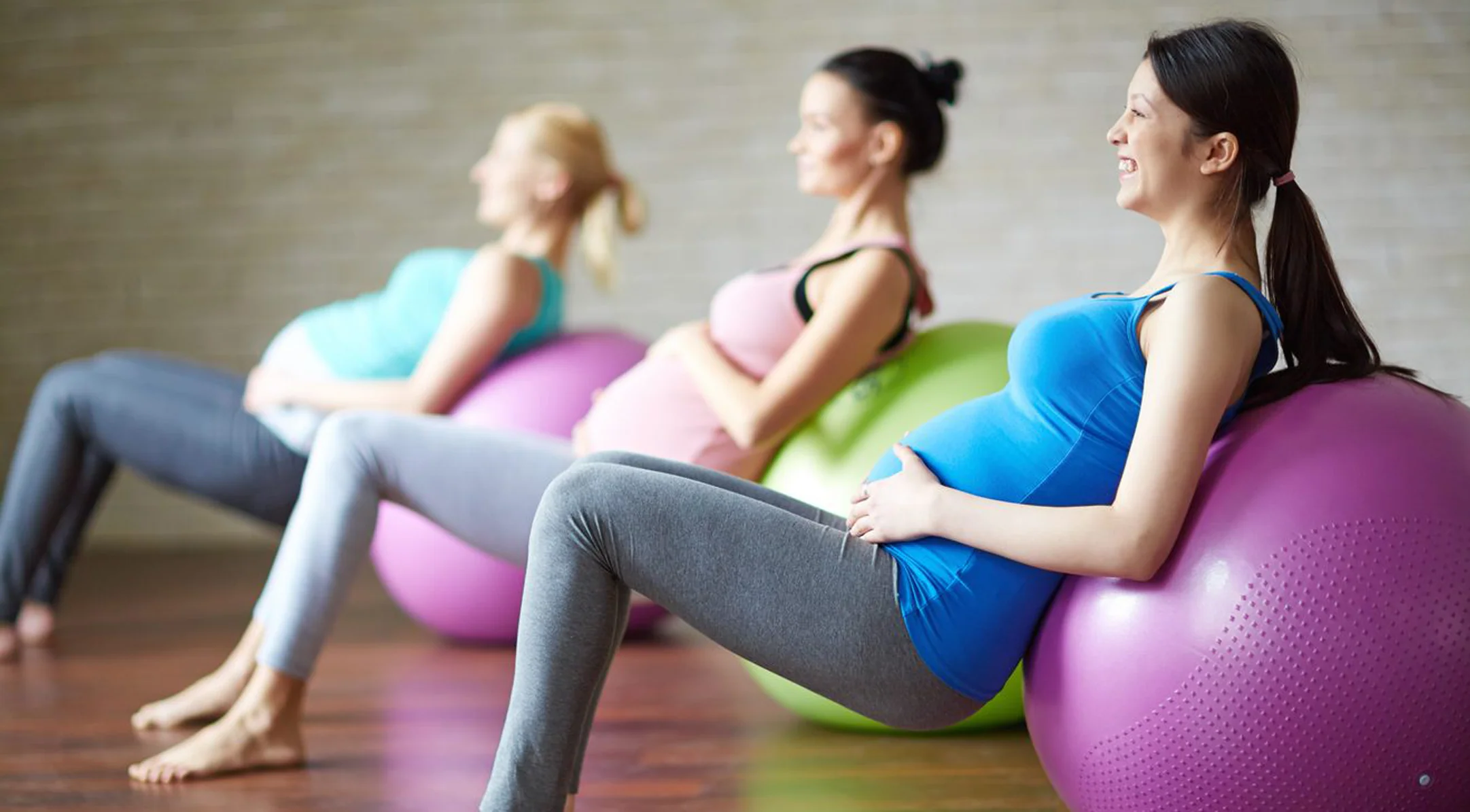
Preparing for childbirth goes beyond packing a hospital bag. A smooth and natural delivery is often supported by physical readiness, mental preparation, and healthy daily habits developed throughout pregnancy. While every birth experience is unique, intentional preparation can improve comfort, confidence, and outcomes during labor.
Understand What Natural Delivery Involves
A natural delivery typically refers to childbirth with minimal medical intervention, allowing the body’s natural processes to guide labor. Preparation focuses on strengthening the body, managing pain naturally, and maintaining emotional balance.
Key elements include:
- Efficient breathing and relaxation
- Strong pelvic and core muscles
- Mental readiness and reduced fear
- Trust in the body’s ability to give birth
Maintain a Pregnancy-Friendly Exercise Routine
Regular, moderate exercise helps the body adapt to the physical demands of labor.
Recommended activities
- Walking to improve endurance
- Prenatal yoga for flexibility and balance
- Swimming to reduce joint pressure
- Pelvic tilts and squats to strengthen muscles
Exercise improves circulation, supports optimal fetal positioning, and may shorten labor duration when done consistently and safely.
Strengthen the Pelvic Floor
The pelvic floor plays a crucial role during delivery by supporting the uterus, bladder, and bowel.
Ways to strengthen pelvic muscles
- Practice Kegel exercises daily
- Combine breathing with pelvic engagement
- Avoid straining during bowel movements
A strong yet flexible pelvic floor can improve pushing effectiveness and support postpartum recovery.
Focus on Proper Nutrition and Hydration
What you eat directly affects energy levels, muscle function, and overall endurance during labor.
Nutritional priorities
- Lean proteins for muscle strength
- Whole grains for sustained energy
- Fruits and vegetables for vitamins and minerals
- Healthy fats for hormone balance
Adequate hydration helps maintain muscle elasticity and reduces fatigue during contractions.
Practice Breathing and Relaxation Techniques
Controlled breathing and relaxation help manage discomfort and reduce tension during labor.
Effective techniques include
- Slow, deep breathing during contractions
- Visualization to stay calm and focused
- Progressive muscle relaxation
- Gentle vocalization instead of holding breath
Relaxed muscles allow contractions to work more efficiently, often easing labor progression.
Prepare Your Mind for Labor
Mental readiness is just as important as physical preparation.
Mental preparation strategies
- Learn about the stages of labor
- Address fears through education or counseling
- Practice mindfulness or meditation
- Create a positive birth mindset
Confidence and calmness help the body release natural hormones that support labor.
Get Adequate Rest and Sleep
Rest allows the body to repair and conserve energy for labor.
Helpful habits
- Establish a consistent sleep routine
- Use pillows to support comfortable sleep positions
- Take short naps if nighttime sleep is disrupted
Well-rested mothers often cope better with the physical demands of childbirth.
Prepare a Supportive Birth Environment
A calm, supportive setting can influence how labor progresses.
Helpful preparations
- Choose a trusted birth partner
- Discuss preferences with healthcare providers
- Consider soothing elements like music or dim lighting
Emotional support reduces stress hormones and promotes smoother labor.
Frequently Asked Questions
When should I start preparing my body for natural delivery?
Preparation can begin as early as the second trimester, focusing on gentle exercise, nutrition, and education.
Can first-time mothers have a smooth natural delivery?
Yes, many first-time mothers experience natural deliveries with proper preparation, guidance, and support.
Is prenatal yoga safe for all pregnancies?
Prenatal yoga is generally safe but should always be approved by a healthcare provider, especially for high-risk pregnancies.
Does pelvic floor training make delivery harder?
No, properly trained pelvic muscles are more flexible and responsive, which can aid delivery rather than hinder it.
How important is mental preparation compared to physical preparation?
Both are equally important. Mental readiness supports relaxation, while physical preparation supports endurance and strength.
Can breathing techniques really reduce labor pain?
Breathing techniques do not eliminate pain but help manage it by reducing tension and improving oxygen flow.
What if my delivery plan changes unexpectedly?
Flexibility is essential. Preparation improves resilience and helps mothers adapt calmly if circumstances change.
Preparing your body for a smooth and natural delivery is about consistent care, informed choices, and trusting your body’s ability. Small daily efforts throughout pregnancy can make a meaningful difference when labor begins.
